Restoring Antique Furniture with Paint
Transforming old furniture with paint is the kind of change and restoration that will remain. It is not so much a process of dipping and slapping a coat of paint to a piece of furniture but breathing fresh life into it so that the beauty of that heritage continues. Part of the charm of an antique piece of furniture lies in its capacity to tell a story—its marks and scuffs a narrative of the years gone by.
An addition of paint, made with skill and consideration, does not obscure this history but rather points out its beauty. For example, allowing the piece to shine in a new era without forsaking its past.
Choosing the Right Paint
Choosing the right paint for your antique furniture is like trying to choose an outfit for a grand ball; it has to complement and enhance, never overshadow. You will find an incredible variety of paints on the market, all promising to turn your piece into a masterpiece.
But here’s the secret
You need to be able to choose one that will harmonize with the materials and design of your furniture. The matte or eggshell finish should be just that, to bring out the intricate woodwork on your piece with understated elegance. Semi-gloss or gloss finishes are for pieces of furniture that stand up to heavy traffic; these finishes provide beauty together with the durability required to ensure continued beauty.
The Steps to Success
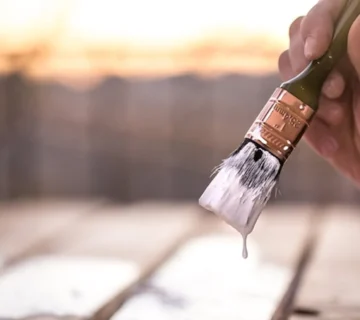
From a worn piece of furniture to a revitalized work of art, each step in between, though necessary to the outcome, remained marked with a level of detail bordering on ridiculous. It all starts with a good cleaning: not even the best paint can cover up the sins of dust and grime. Then, light sanding comes to prepare the surface; it makes a canvas ready to receive changes. Then comes the application of the prime; it works to be a bridge between the old surface and the new coat of paint, providing adhesion and permanence. With the stage set, paint becomes an exercise in precision and patience, with every coat applied thin and even—yet with enough time between coats to dry. This process, while demanding, is rewarding, culminating in a piece that not only looks renewed but feels it too.
Finishing Touches
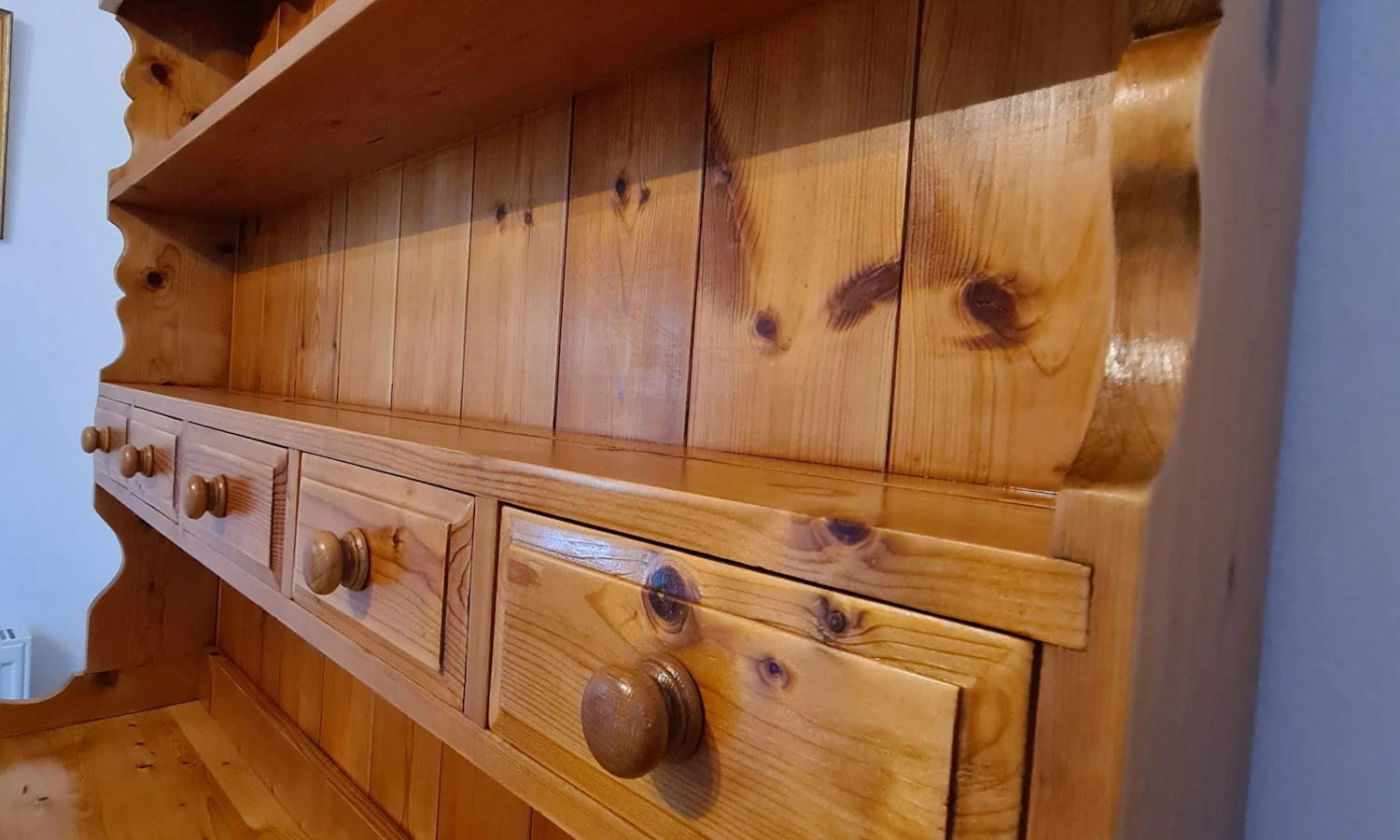
The final touches on your furniture are what elevate it from merely painted to professionally restored. This involves the careful selection of hardware that complements both the style of the piece and its new finish. Whether it is vintage knobs that echo the period of the furniture or modern handles that give a contemporary twist, these are the kinds of detail that help bring a cohesive look together. Lastly, the sealer or wax is more than a protective layer; it is the polish that brightens up the colour and finish of the paint to let your furniture pass both tests of time in durability and style.
Conclusion
The restoration with paint of an antique piece of furniture is an act of love and commitment to the legacy of the past, where it may be redone to appear fresh from its generative spirit also requisitioned by the present and future. It is a precise process that takes patience and skilled detail, yet the results bring generations together: an admixture of history and modernity that enlivens any space. It is not just saving the old furniture from oblivion. In turn, it is paying due tribute to the work put in making the piece and its beautiful timelessness so that it can, in turn, continue narrating for a long time. And, with respect for the original craft, the minute detail, and the paint meant for the job, they achieve another masterpiece, truly a testament not only to restored beauty but durability.