How Can I Fix Common Painting Mistakes?
Painting is an enjoyable but precise undertaking that can bring a huge transformation to any space. However, even the most skilled do-it-yourself enthusiast can make common painting errors. It pays to learn how to fix these common painting errors this way, time and effort are saved, and a flawless finish is achieved.
Drips and Runs
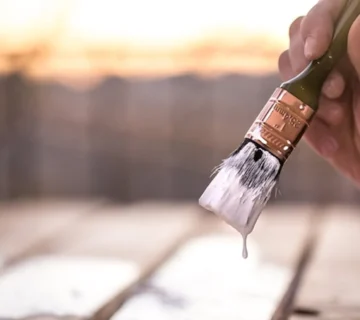
One of the most common painting errors is when there are drips and runs in the paint. This is what happens when the paint has been applied too heavily, causing it to run down the wall.
Immediate Correction: Use a brush or roller to even out the drip.
Dried Drips: Sand the drip until the area is smooth. Dust off the dripped area using a damp cloth. Repaint the portion, trying to match it with the surrounding paint.
Uneven Coverage
A poor application of paint will result in an uneven film.
How to Fix:
Check the Surface: Look for areas where the paint coverage is too thin.
Repaint: Apply another coat of paint, making sure to use even strokes and get good coverage. This problem can be prevented by using a quality roller and by applying paint in an even pattern.
Brush Marks
These will ruin the appearance and the finish, especially on flat surfaces.
How to Fix:
Sand: Very often, it is enough to roughen the area with fine-grit sandpaper to remove the brush marks.
Repaint: Use a good-quality brush or a roller made with the same fabric as that of the last. Paint with long, smooth strokes so as not to show marks.
Peeling Paint
Peeling may be due to different reasons, such as poor surface preparation, moisture, or different paint types.
How to Fix: Scrape off the peeled paint with the help of a scraping tool or a wire brush.
Sand and Prime: Sand to feather the edges and apply a primer compatible with the surface.
Repaint: Apply paint with top quality, and the surface must be clean and dry.
Blistering
Bubbles or blisters in paint are formed when a painted surface faces too much heat or moisture, or when paint is applied on a wet surface.
How to Fix:
Carefully pop the blisters with a utility knife and then scrape the loose paint.
Sand and Prime: Sand smooth and apply a primer to seal the surface.
Repaint: Paint the area again, ensuring it is dry and cool.
Lapping Marks
Visible lines are formed when the paint is applied and dries so quickly that the areas overlap.
How to Fix:
Repaint the Area: Use a wet edge technique, whereby it should have a wet edge while painting to avoid lines.
Use the Right Tools: The right tools to use are a high-quality roller or brush because it helps distribute the paint evenly.
Paint Cracking or Flaking
Paint in the form of cracking or flaking might be due to many reasons, such as using low-quality paint or applying paint too thick.
How to Fix:
Scraping: Scrape off the cracked or flaking paint.
Sand and Prime: Sand the surface and apply a primer.
Repaint: Thin, even coats are to be applied with high-quality paint.
Incorrect Colour
Incorrect colour could be one of the most common reasons leading to dissatisfaction.
How to Fix:
Testing Samples: Always test paint samples on a small area before committing to the colour.
Repaint: Repaint with a different shade if the colour is already applied and unsuitable after allowing the base coat to dry.
Paint Bleeding Under the Tape
Paint bleeding under a tape occurs when the tape does not seal completely, allowing the paint to seep through.
How to Fix It:
Removing the Tape: Remove the tape carefully while the paint is still wet.
Touch-Ups: Touch up the bleed areas with the original paint colour and a small brush.
Improper Surface Preparation
Improper surface preparation can result in several types of problems, such as inadequate adhesion of paint and uneven finishing.
How to Fix It:
Cleaning the Surface: Keep the surface clean, dry, and free of dust or grease.
Priming: Apply a suitable primer before painting to enhance adhesion and ensure an even finish.
Paint Splatter
This may happen when a roller or brush is used too vigorously.
How to Fix It:
Immediate Wipe: Wipe splatters immediately with a damp cloth.
Dried Splatter: Let the splatter dry and scrape off carefully with a scraper or sand the area.
Wrong Paint Type
Using the wrong type of paint on the wrong surface results in poor results and paint durability.
How to Fix It:
Identify the Surface: Identify whether the surface is interior, exterior, wood, metal, etc.
Select the Right Paint: Choose a paint product suitable for the type of surface and the conditions it will face.
Conclusion
Repair these common paint mistakes with proper techniques that bring a professional and lasting finish. These points explain that spending a little time to fix these errors guarantees a polished, high-quality result that exposes the beauty and longevity of your painted surfaces.