How to Paint Over Stubborn Stains
How to Paint Over Stubborn Stains
Stubborn stains on walls can be an eyesore, detracting from the overall appearance of your home. Whether it’s water damage, smoke stains, or other unsightly marks, covering them up can seem like a daunting task. However, with the right approach and materials, you can achieve a flawless finish. Here’s a detailed guide on how to paint over stubborn stains effectively.
Identify the Stain Type
Before you start, it’s crucial to identify the type of stain you’re dealing with. Water stains often leave yellowish-brown rings, smoke stains can appear grey or black, and oil stains might have a greasy residue. Understanding the stain helps in choosing the right primer and paint.
Gather Your Materials
For this task, you’ll need:
- A high-quality stain-blocking primer
- Topcoat paint of your choice
- Sandpaper
- Cleaning supplies (mild detergent, sponge)
- Paintbrushes or rollers
- Protective gear (gloves, mask)
Prepare the Surface
Start by cleaning the stained area thoroughly. Use a mild detergent and water to remove any dirt, grime, or grease. For smoke stains, a mixture of vinegar and water can be more effective. After cleaning, let the surface dry completely.
Once dry, lightly sand the area to create a smooth surface for the primer to adhere to. Sanding also helps to remove any remaining residue that could interfere with the primer or paint.
Apply Stain-Blocking Primer
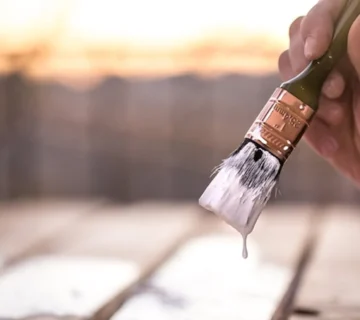
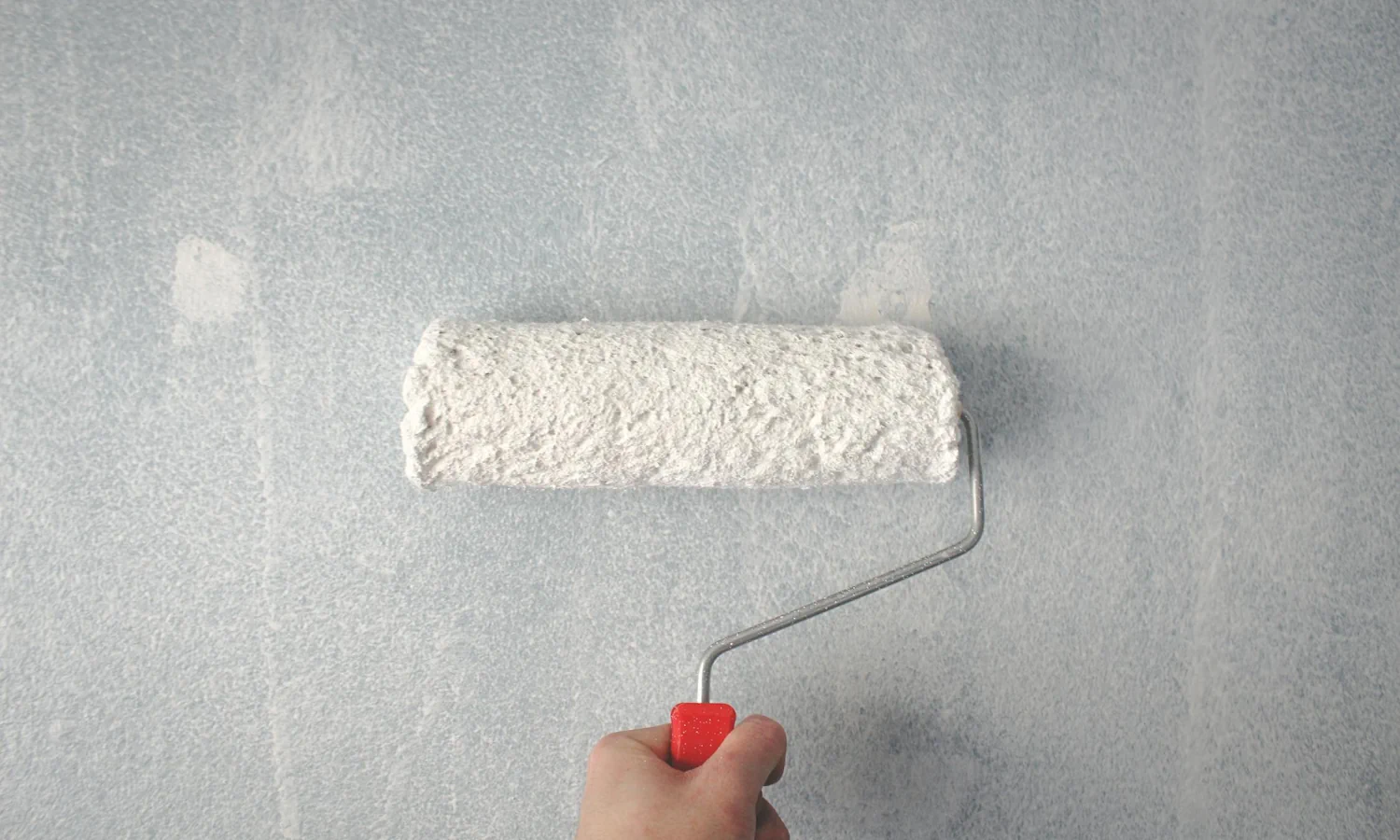
A stain-blocking primer is essential for covering stubborn stains. These primers are specially formulated to prevent stains from bleeding through the paint. Apply a generous coat of primer over the stained area using a brush or roller. Make sure to cover the stained area slightly to ensure a seamless blend with the surrounding wall.
Allow the primer to dry completely according to the manufacturer’s instructions. In some cases, a second coat of primer may be necessary for particularly stubborn stains.
Choose the Right Paint
Selecting the right topcoat paint is just as important as the primer. For high-traffic areas or rooms prone to moisture, consider using a semi-gloss or satin finish. These finishes are more durable and easier to clean. Matte or flat finishes can be used for less trafficked areas but may not be as durable.
Painting Over the Primer
Once the primer is dry, it’s time to apply the topcoat paint. Use a high-quality paintbrush or roller to ensure even coverage. Start with a light coat and allow it to dry completely. Depending on the colour and type of paint, you may need to apply a second or even third coat to achieve full coverage.
Finishing Touches
After the final coat of paint has dried, inspect the area for any missed spots or uneven coverage. Touch up as necessary to ensure a flawless finish. Clean your brushes and rollers thoroughly for future use.
Maintaining the Painted Surface
To keep your newly painted surface looking its best, clean it regularly with a soft cloth and mild detergent. Avoid harsh chemicals that could damage the paint. Address any new stains promptly to prevent them from becoming stubborn.
Conclusion
Painting over stubborn stains doesn’t have to be a challenging task. By following these steps and using the right materials, you can restore the beauty of your walls and ensure a long-lasting finish. Remember, preparation is key. Take the time to clean and prime properly for the best results. Happy painting!