Living Room Painting Tips & Mistakes to Avoid
When it comes to living room painting, you need to take utmost care. This is the room where you spend the majority of your time, so the paint needs to be top quality.
Choosing the right paint colour for your living room is an important decision. Fortunately, there are some key design principles you can follow. These tips will help you avoid making the wrong choices.
The first tip is to test your colour choice with a primer. Then, you’ll know exactly what colour you’re dealing with. The second tip is to choose a single, coordinating colour. The most important thing is to avoid over-brushing.
In this article, we are going to discuss some living room painting tips & mistakes to avoid.
Common Living Room Painting Tips & Mistakes to Avoid
Whether you are planning on painting your living room or if you are a professional painter, there are many common mistakes that you should be aware of. These mistakes can cause you a lot of headaches and frustration. You need to follow the right painting tips and avoid these mistakes.
Prepare The Surface For Paint
Taking the time to properly prep a living room for paint is the first step to a great-looking interior. This includes removing all the large items in the room and moving them to the centre. The aforementioned task is a good way to avoid getting paint on your furniture or carpet. For extra protection, use a drop cloth and old sheets. To get the most out of your painting endeavour, start by cleaning the walls and ceiling. If you don’t prep the surface, it can lead to an uneven finish.
Use Painter’s Tape
Using painter’s tape in your living room painting project can be an effective way to protect your walls. The most common mistake people often make is not using painter’s tape. It can lead to slanted lines and paint mixups. When you’re ready to apply the tape, you must line up the tape and the edges of the wall. Once the paint is dry, you’ll want to remove the tape. You should do this slowly and carefully. If you’re not careful, the tape can rip or peel. This can lead to paint running into your unpainted areas.
Choose High-Quality Paint
Choosing low-quality paint for your living room may be cheaper, but you’ll probably end up spending more money to make it look better than it is. It’s important to choose the right type of paint, though, as your choice will have a huge effect on the longevity of your decor. To get the best results, you need to choose only high-quality paint. The most obvious reason to use high-quality paint is the longer lifespan you’ll enjoy from it.
Apply Primer
Using a primer is always a good idea. It gives your new paint a base to stick to and makes your paint last longer. It can also conceal imperfections like water damage, stains, or seams. You can also use self-priming paint for a better result. It’s thicker than standard paint, which means it covers more surfaces. If you don’t apply primer, the paint will not adhere to the wall.
Don’t Overbrush
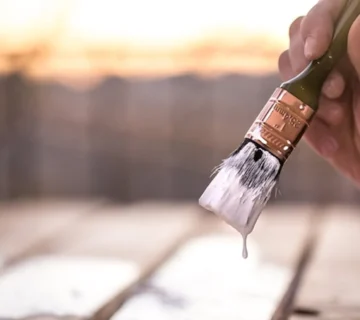
Many novice painters end up overbrushing their walls, which can result in visible ridges and brush marks. Fortunately, there are ways to counter this problem. One way is to use the smallest possible number of strokes when painting. Another way is to brush in a smooth motion. To avoid overbrushing, it is important to load your brush before you start to paint.
Test The Paint Colour Beforehand
When choosing a paint colour, make sure to take into account the lighting in the room. The light sources in the room affect the finish and sheen of the paint. You also need to test the paint colour beforehand to know how it will look after drying. You can buy paint samples from the paint store.
Use the Right Painting Tools
Using the wrong painting tools in a living room can lead to paint that smears or drips in corners. To ensure a professional-looking finish, you need to use the right tools. You need a strong ladder, good quality sandpaper, quality paint brushes and paint.