How Can I Prevent Paint from Cracking or Peeling?
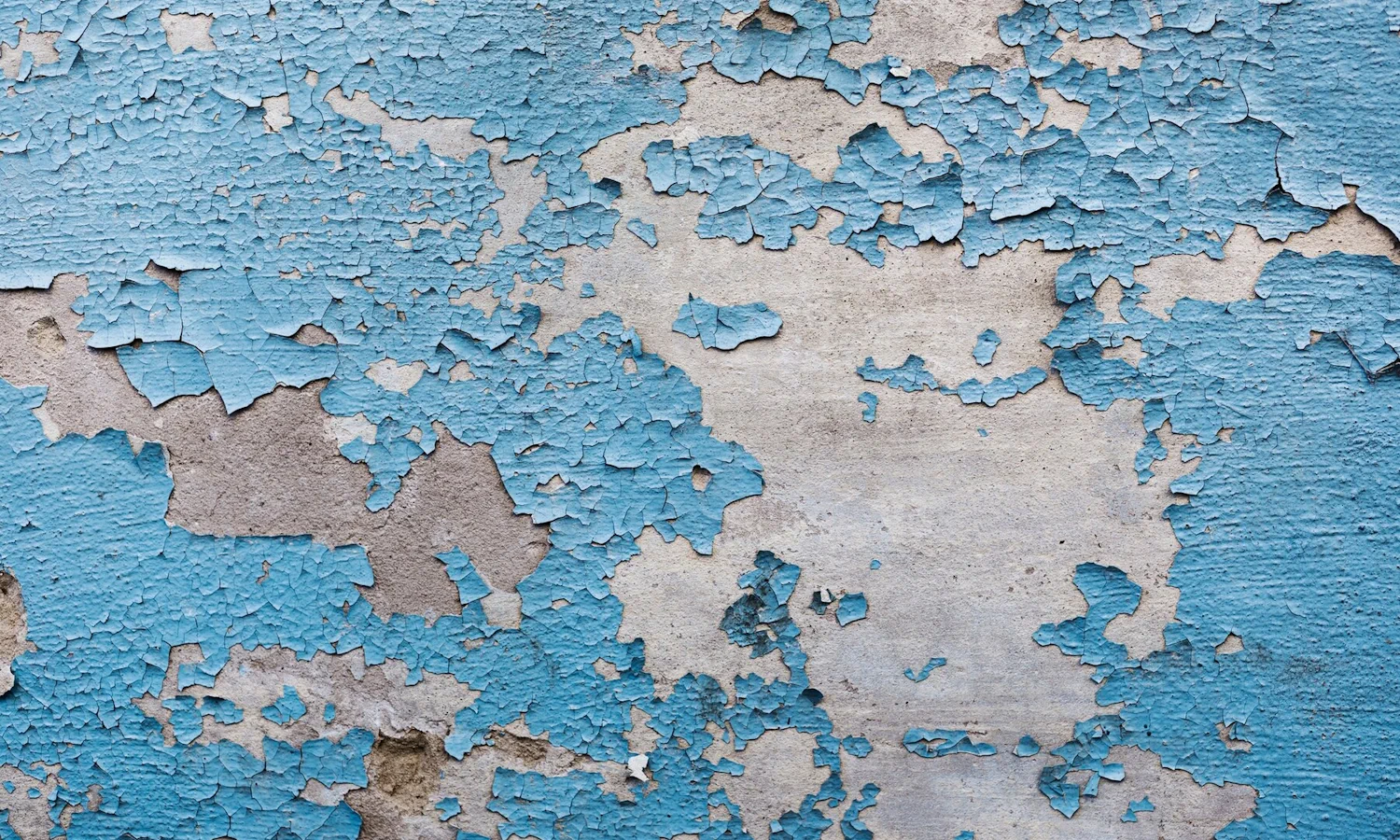
Prevention of cracking and peeling of paint is of great significance to keep the paint finish durable and professional. Cracking and peeling are two common paint failure problems. They can be created by many things, including improper surface preparation, unsuitable environmental conditions, and low-quality materials. That brings us to a cure that is quite comprehensive for the factors mentioned.
Correct Surface Preparation
The correct surface preparation is the beginning of all painting work. The surface must be correctly prepared; otherwise, the application of top-quality paint will be in vain.
Cleaning Of The Surface
The surface should be adequately cleaned before painting so that any dust, grease, and small particles are removed. The surface should be washed with a mild detergent solution and water and rinsed with clean water; it should also be left to dry properly.
Sanding And Smoothing
Sand the surface to be painted to get rid of the old, flaking paint and to produce a smooth and even texture on which the new paint will grip. Sand it with medium to fine-grit sandpaper. Sand the surface uniformly to prevent uneven patches. Then, use a dampened cloth to wipe the surface of the dust.
Using Primers of Quality
Quality primers prevent paint from cracking or peeling. They create a uniform base for the paint and promote adhesion. In addition, primers will act as a barrier against moisture and stains.
Choosing the Right Primer for the Painting Surface
Choose a good primer that is in correspondence with the paint that you want to apply. For instance, for drywall, use a latex primer, and for a surface with heavy stains and odours, use a shellac-based primer. For exterior surfaces, use a weather-resistant primer.
Application of the Primer
Brush or roll on the primer in thin, even coats. Allow each coat to dry thoroughly before applying additional coats or the topcoat. It will allow the paint to stick on and give a fine finish.
Use High-Quality Paint
Better quality paint helps reduce paint failures. Higher-quality paints have higher-quality binders and pigments. It provides a durable finish and is less prone to cracking and peeling.
Paint Types
Use the right paint for the right job. Interior wall paints should be latex, as it is a flexible paint and should not crack easily. Exterior paints should be acrylic latex, as it is durable and weathers well.
Apply Paint in Thin Coats
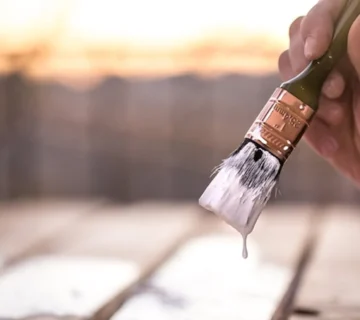
Paint should be applied in thin layers. Thick layers crack as they dry. When paint is applied in thin coats, drying is fast and cracking is reduced. Let the paint dry completely between coats and each coat will help you to create a smooth and more durable finish.
Environmental Conditions
Control the environment to avoid having problems with drying and curing, which will most probably cause cracking and peeling of the paint.
Ideal Painting Conditions
Paint when temperatures are between 10°C and 30°C, and avoid extreme humidity or direct sunlight. At temperatures between 10°C and 30°C, paint tends to dry evenly and adhere to the surface. Avoid extreme humidity or direct sunlight.
Use Ventilation
Provide proper ventilation during and after painting. Adequate ventilation will maintain the flow of air, helping the paint to dry correctly, thus reducing the risk of cracking and peeling as a result of moisture entrapment.
Maintenance and Inspection
Do a routine check on all painted surfaces to detect and prevent problems early.
Preventive Maintenance Guidelines
Clean painted surfaces regularly to remove dirt and grime that may infiltrate the integrity of the paint. Use a soft cloth and mild detergent. Avoid the use of harsh chemicals that may damage the paint. Inspect from time to time for any signs of wear and damage or moisture infiltration. Repairs should be made timely by painting or repairing the affected area. Early intervention will prevent problems from turning into paint failures.
Exterior Surface Protection
Exterior surfaces are more exposed and need additional protection.
Sealing and Caulking
Seal and caulk all joints, seams, and gaps on exterior surfaces to prevent moisture infiltration. Use high-quality exterior-grade sealants that will resist changing weather conditions.
Repainting
Exterior surfaces need to be repainted to retain their protective characteristics. Develop a maintenance schedule based on the expected life of the paint and environmental exposure.
Conclusion
With an interdependent relationship between proper surface preparation, high-quality materials, and best painting practices, the paint does not crack or peel. Taking the time to prepare the surface, the use of suitable primers and paints, and controlling environmental factors guarantees that the paint will have a long-lasting and flawless finish.