What Influences the Cost of Painting Kitchen Cabinets?
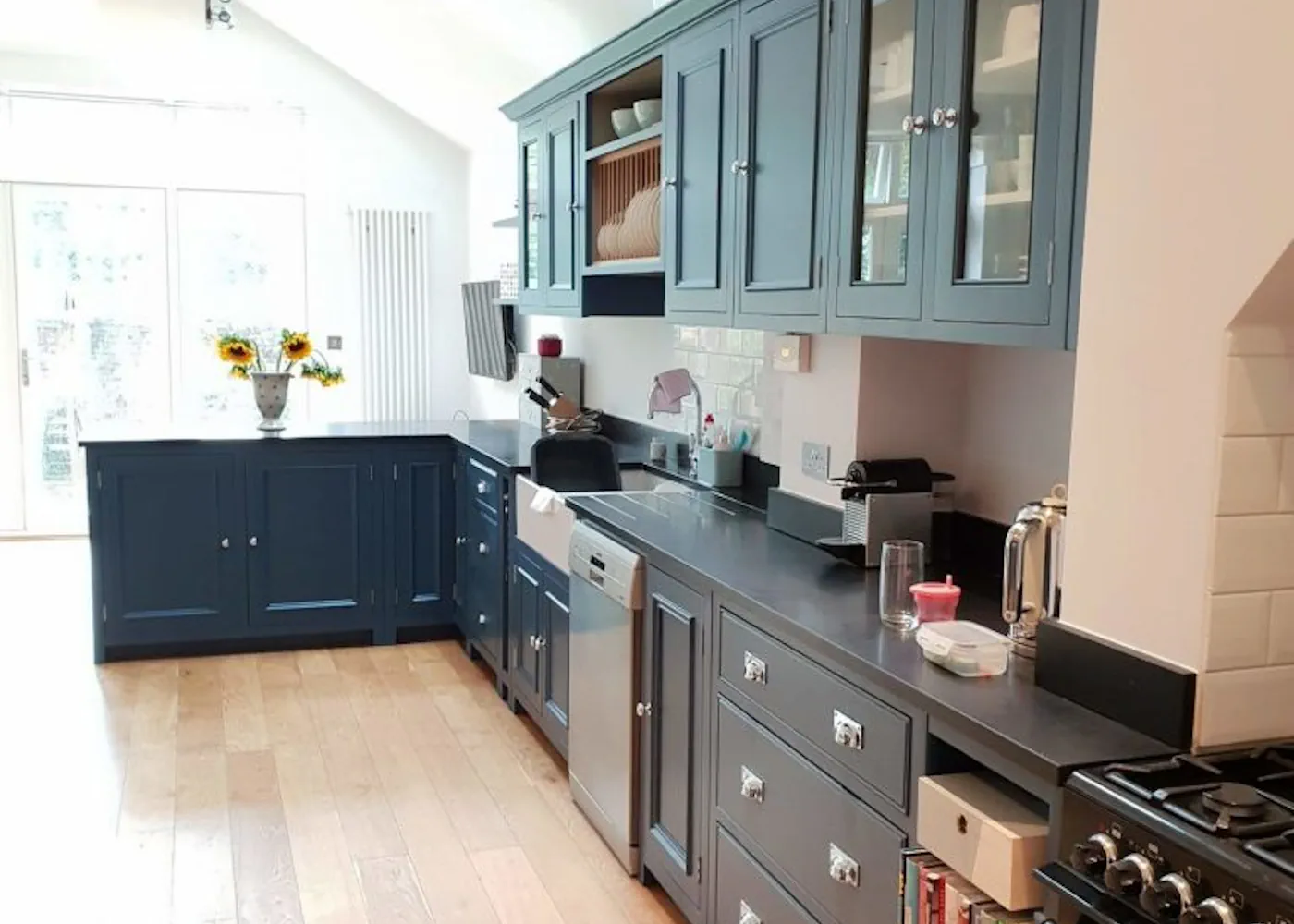
Painting kitchen cabinets offer a smart way to refresh a tired room without ripping everything out. Done properly, it transforms the space and saves thousands on a refit. But not every job costs the same. Several key factors decide the final price, from cabinet size to paint quality. Here’s what affects how much you’ll pay.
Number of Cabinets and Drawers
The more you’ve got, the higher the cost. Painters usually price by the number of doors, drawers and panels. A small galley kitchen might have ten to fifteen doors, while larger open-plan kitchens easily reach twenty-five or more. Every additional door adds time, materials and labour. Don’t forget to count end panels, wine racks and display units. These all get included in the total.
Condition of Existing Cabinets
Tatty or damaged cabinets take longer to prepare. It adds extra work if your doors are chipped, peeling, or covered in years of grease, i. Surfaces need sanding, filling and degreasing before any paint goes near them. Stained or previously glossed finishes demand additional primer coats to guarantee proper adhesion. In some cases, doors with heavy wear may need stripping back to bare wood or replaced outright.
Type of Material
Not all cabinets are solid wood. Many modern kitchens use MDF, laminate or vinyl-wrapped doors. These surfaces need specialist primers and paints to avoid peeling or blistering. Solid wood doors are easier to work with. They usually give a better finish but require the right preparation. Painting laminated or glossy cabinets involves extra sanding and priming, increasing labour and material costs.
Choice of Paint and Finish
Quality matters. Cheap paint won’t last and marks easily in a kitchen environment. Most professionals use specialist furniture or cabinet paints designed for heavy wear, with durable, scrubbable finishes. Brands like Tikkurila, Little Greene, or Benjamin Moore command a higher price but offer a smoother, longer-lasting result.
The finish also influences the cost. Matt, satin and gloss paints all have different prices and application demands. Gloss shows every imperfection. Satin is the most popular as it balances durability with a softer appearance.
Preparation and Priming
Good preparation makes or breaks a kitchen paint job. Cabinets must be cleaned, degreased and sanded. Every handle has to be removed, hinges masked, and surfaces dust-free before primer goes on. Skipping these steps leads to poor adhesion and peeling. Time spent on this stage directly affects the total cost. A kitchen in decent condition might take a day to prep, while one that’s heavily worn or greasy could take double.
Whether You Paint the Inside
Most painters charge less to paint just the fronts and edges. Adding the insides of doors and cabinet frames increases labour, materials and time. Painting interiors takes precision and careful masking to avoid mess inside cupboards. Not every customer wants it, as it adds to the final quote.
Colour Changes and Number of Coats
Dramatic colour changes like going from dark oak to pale grey, add extra coats. Some shades, especially whites and light neutrals, require three or four to fully cover darker bases. Each additional coat adds drying time and labour, raising the total cost. Sticking within similar tones keeps costs down.
Final Word
Painting kitchen cabinets isn’t a one-size-fits-all job. The price depends on how many units you’ve got, their condition, the materials they’re made from, and the quality of products used. Extras like painting interiors, changing colours, or upgrading to premium finishes increase the total. If you’re after a hard-wearing, flawless finish that lasts for years, it’s worth investing in thorough preparation and quality paint. The difference shows every time you step into the room.