What Is Colour Drenching?
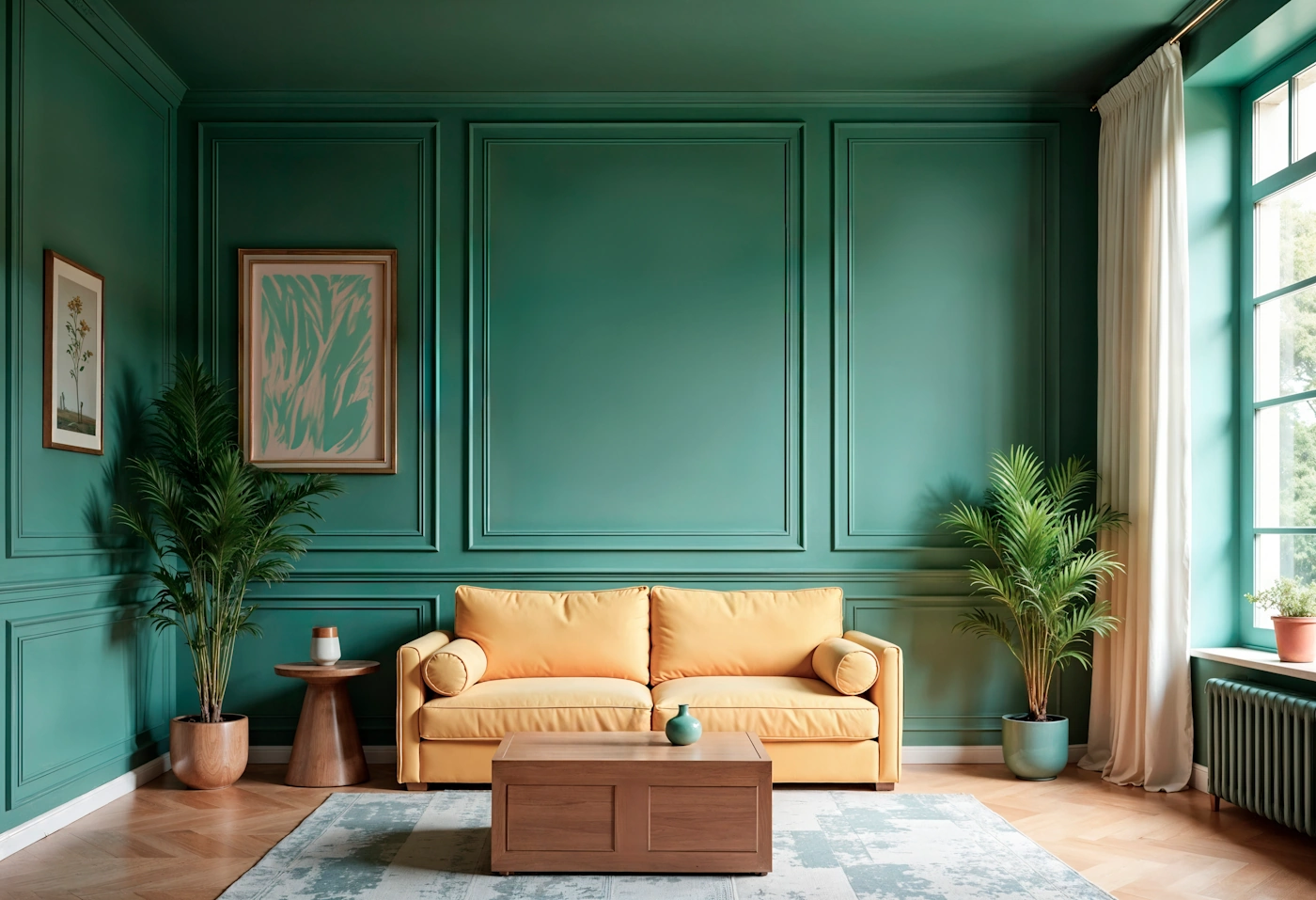
Colour drenching covers a room in a single shade from top to bottom. Walls, ceilings, woodwork, furniture and even décor follow one confident colour. This approach creates a bold look that feels deliberate and cohesive. The eye glides across the space without breaks or distractions, which gives the room a calm and controlled character.
Why Colour Drenching Works
A single colour ties every surface together. Strong contrasts disappear. The room gains a smooth flow that suits both small flats and large houses. Designers use this method to create depth without relying on patterns or complex schemes. The shade sets the mood at once. A deep tone brings a snug feel. A lighter shade opens the room and softens sharp architectural lines.
The technique also helps with older homes that have tricky shapes. Sloped ceilings, alcoves and uneven corners fade when everything carries the same colour. Instead of drawing attention to awkward cuts, the space reads as one neat whole.
How To Choose the Right Shade
Pick one colour that reflects how you want the room to feel. Strong blues and forest greens lend a steady, grounded mood. Soft neutrals keep the space calm. Warm browns and muted reds add a sense of comfort and character. The key is commitment. The shade must work on every surface, so choose a colour you enjoy in bright and low light.
Test the colour on a large patch. Watch it throughout the day. Natural light shifts the tone, and artificial lighting can warm or cool it. Bright bulbs may wash out very pale colours. Warm bulbs may intensify dark tones. Adjust the lighting before painting the whole room.
Tips for a Smooth Finish
Use the same finish across surfaces where possible. Matt paint works well on walls and ceilings. Eggshell suits woodwork and furniture. Though the finishes differ slightly, keeping the colour consistent keeps the effect intact.
Paint the ceiling in the same shade. Many people avoid this step, but it makes the look far stronger. A contrasting ceiling breaks the flow. When the ceiling and walls match, the room stretches upward and feels taller.
Carry the colour across trims and radiators. These elements often interrupt the line of sight. Once drenched in the same shade, they blend into the backdrop.
Furnishings That Support the Look
Furniture should sit within the scheme rather than distract from it. Pick pieces in similar tones or stay with materials that don’t clash. Natural wood, stone, linen and wool work well because they provide texture without fighting the colour.
Metal accents add interest when used sparingly. Brass handles, slim black frames or brushed steel lamps stand out against a solid backdrop. Keep shapes simple so the room doesn’t feel busy.
Textiles play a key role. Use cushions, throws and rugs in related tones. This keeps the room balanced. A few patterned pieces can work if they stay within the same colour group.
How To Add Contrast Without Breaking the Scheme
You can introduce contrast through texture instead of colour. Rough plaster, woven fabrics and matte ceramics sit well in a drenched room. They break up the surfaces without shifting the tone.
If you want a small lift, add one accent shade. Keep it controlled. A single artwork or one small piece of furniture is enough. Anything larger risks weakening the effect.
Where Colour Drenching Works Best
Living rooms gain a strong identity from this method. Bedrooms feel calmer when wrapped in one shade. Even small bathrooms look cleaner and more polished when the colour covers every surface. Hallways also benefit. A long corridor feels more considered when the shade runs uninterrupted along its length.
Final Thoughts
Colour drenching gives a room confidence. One bold shade creates structure, flow and clarity. The method suits both traditional and modern homes. With careful colour choice and consistent application, it produces a striking, long-lasting look that stands out for the right reasons.