How to Prevent Mould Growth After Water Damage?
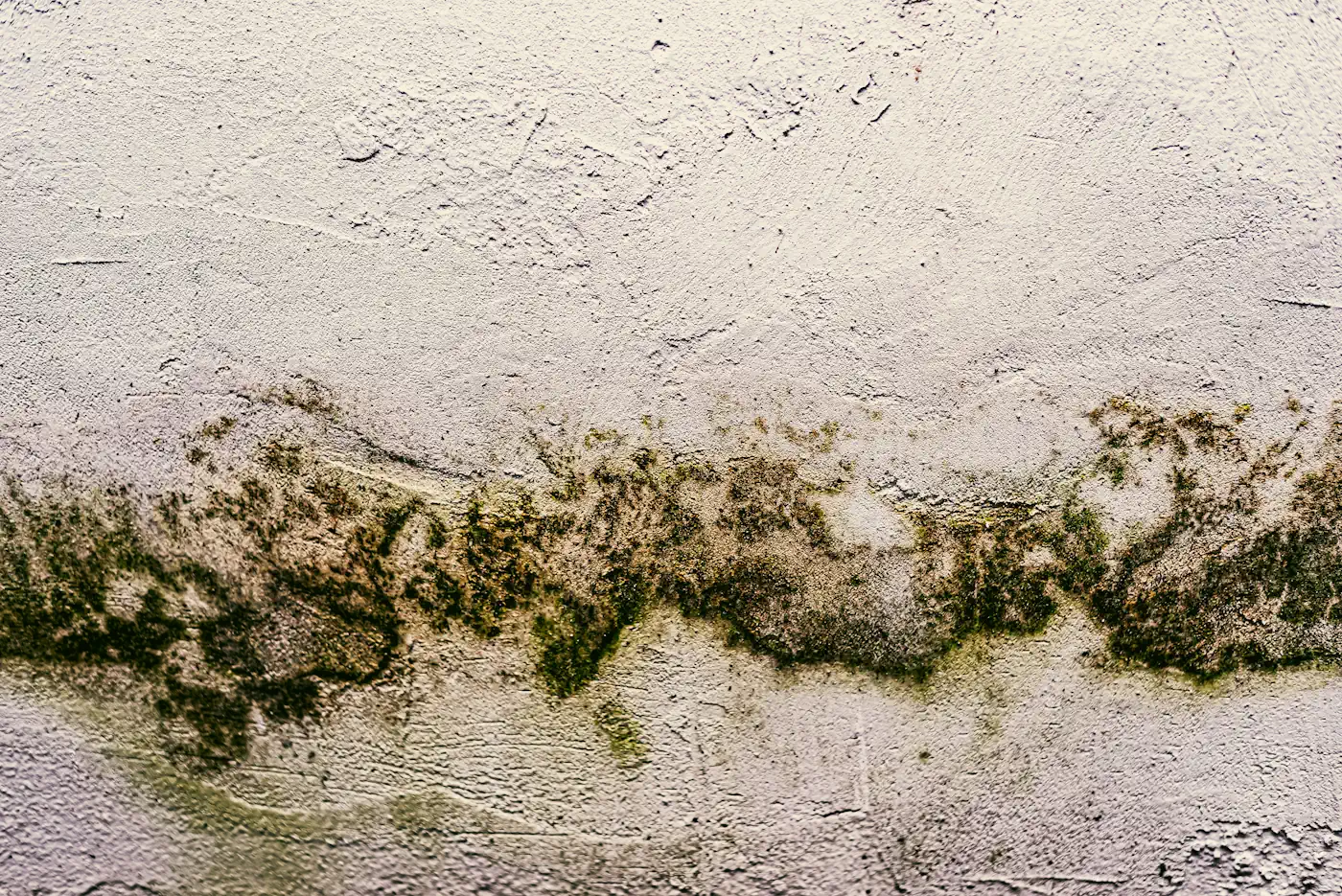
Mould grows fast after water damage, often within 24 to 48 hours. Once it settles, it spreads through walls, ceilings and flooring. It harms air quality and weakens surfaces. Quick, clear action stops it from taking hold. A skilled painter and decorator who handles water-damaged interiors restores the room and prevents mould at the same time.
Act Fast and Stop the Source of Water
Stop the leak at once. Any delay gives moisture time to spread through plaster, timber and insulation. Turn off the water supply if you can. If the issue comes from rain or roofing, block the area until repairs start. Stopping the source prevents fresh moisture from feeding new mould.
Clear Standing Water and Start Drying the Room
Remove standing water with pumps, wet vacs or mops. Keep the process steady and thorough. Open windows if the weather allows. Bring in fans to move air across floors and walls. A dehumidifier helps draw moisture from plaster and timber. Keep it running until the room reaches a low humidity level. Dry air slows mould growth and keeps spores from settling.
Strip Away Damaged Materials
Peeling paint, blistered plaster and swollen skirting boards trap moisture. Strip them back. Cut out wet plasterboard. Remove damp insulation. Lift carpets and underlay. These materials hold water for days and feed mould. Clearing them gives the room a clean base for repairs.
Clean and Treat All Affected Surfaces
Scrub hard surfaces with a strong mould-control cleaner. Use stiff brushes to reach corners and joints. Wash walls, ceilings and flooring. Treat timber with a suitable fungicidal wash. Let each area dry before painting. A painter who handles water damage uses specialist primers that block stains and seal the surface against future damp patches.
Improve Airflow and Reduce Humidity Levels
Good airflow keeps walls dry. Keep windows open when possible. Use extractor fans in kitchens and bathrooms. Run a dehumidifier in the worst area until the humidity drops to a safe level. Dry air stops mould from settling on fresh plaster or paint.
Repair and Seal the Surface Properly
Once everything dries and cleans up, rebuild the surfaces. A trained painter and decorator replaces damaged plasterboard, repairs cracks and sands rough patches. They apply a stain-blocking primer that stops old marks from bleeding through. Moisture-resistant paint gives the final coat strength against damp conditions. Proper sealing prevents hidden moisture from creeping back.
Check Hidden Areas for Lingering Moisture
Mould often hides behind skirting boards, inside cupboards and around window frames. Check these areas with a moisture meter if possible. Soft spots, musty smells or discoloured patches point to trapped moisture. Fix these issues before painting. Leaving them encourages mould to return.
Keep the Room Dry After Repairs
Once repairs finish, stay consistent. Ventilate the room daily. Fix small leaks at once. Wipe condensation from windows. Keep furniture slightly away from walls to allow airflow. These habits keep surfaces dry and make the room safer for long-term use.
When to Call a Professional Painter & Decorator
Severe water damage needs specialist care. A professional handles stripping, drying, repairing and repainting in the right order. They use the correct primers, treatments and paints designed for damp-prone areas. This approach stops mould from returning and restores the room with a clean, lasting finish.
Final Thoughts
Stopping mould after water damage demands fast action, strong cleaning and correct repair work. With proper drying, treatment and high-quality paint systems, the room stays clean and safe. A painter and decorator who understands water damage repairs restores both the look and the long-term condition of your home.