Can You Use Masonry Paint Indoors
Masonry paint sits in many sheds and garages across the UK. Thick. Tough. Built for brick and render. Homeowners often ask a simple question. Can it work inside the home? The answer requires clarity, not noise. Below stands a direct, detailed guide that cuts through doubt and delivers facts.
What Masonry Paint Does Best
Masonry paint handles harsh conditions. Rain. Frost. Heat. Pollution. Manufacturers design it to grip rough surfaces and resist moisture. The formula runs dense. The finish dries hard. This paint seals pores in brick and concrete. Outdoors, that strength matters. Indoors, it creates limits.
Walls inside a home behave differently. They need breath. They face scuffs, not storms. Masonry paint treats an indoor wall like an exterior façade. That mismatch causes issues.
Using Masonry Paint on Internal Walls
Yes, you can use masonry paint indoors, yet it rarely suits the space. The paint clings fast. It dries slowly. The surface often feels chalky or overly flat. Living rooms, bedrooms, and hallways suffer most.
Internal plaster walls need paint that allows moisture movement. Masonry paint restricts that flow. Trapped moisture can cause peeling. In older homes, this risk rises. Victorian terraces and period properties need careful treatment.
Where Masonry Paint Works Indoors
Some indoor areas handle masonry paint well.
- Basements benefit from their moisture resistance.
- Garages gain durability.
- Utility rooms tolerate the heavy finish.
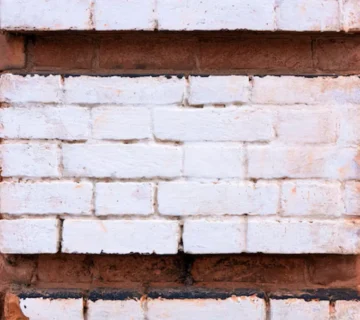
Bare brick feature walls also suit masonry paint when owners want a raw, industrial look. The key lies in surface choice. Rough, porous materials cope better than smooth plaster.
Finish, Texture, and Appearance
Masonry paint looks flat. Very flat. It absorbs light rather than reflecting it. That effect darkens rooms. It can make spaces feel closed in.
Touching the surface often leaves marks. Cleaning proves difficult. Many masonry paints scuff easily indoors. Standard emulsion handles daily wear far better.
Colour choice also narrows. Masonry ranges focus on outdoor tones. Whites lean grey. Creams feel cold. That shift affects interior warmth.
Application Challenges Indoors
Application brings its own problems.
- The paint smells strong.
- Drying takes time.
- Ventilation becomes essential.
Rollers drag. Brushes leave texture. Achieving a smooth finish proves hard, even for skilled decorators. Furniture protection matters. Splashes dry fast and cling hard.
Once applied, removal becomes a chore. Sanding raises dust. Repainting often needs specialist primers.
Better Alternatives for Indoor Walls
Interior paints exist for a reason. Vinyl, durable matt, and silk emulsions handle indoor demands with ease. They breathe, clean well, and apply smoothly.
For damp-prone spaces, moisture-resistant bathroom paints offer protection without sealing walls tightly. These options outperform masonry paint in comfort, finish, and upkeep.
Final Word on Masonry Paint Indoors
Masonry paint suits the outside world. Indoors, it fits only specific spaces. Basements. Garages. Brick features. For living areas, it creates more problems than benefits. Choosing the right paint protects walls and keeps rooms comfortable. That choice matters.