What Is the Difference Between Hand-Painting and Spraying a Kitchen?
Kitchen renovation often focuses on cabinetry. Cabinets dominate the visual space. Their finish sets the tone for the entire room. Many homeowners choose repainting instead of replacing units because it delivers a dramatic visual change at a lower cost.
Two main methods for professional refinishing are hand-painting with a brush or roller, or spray application using specialised equipment.
Each approach leads to unique results. The choice impacts preparation, cost, time, and durability—making the distinction especially important.
By exploring these differences, homeowners gain insight to guide their kitchen decisions.
What Hand-Painting a Kitchen Means
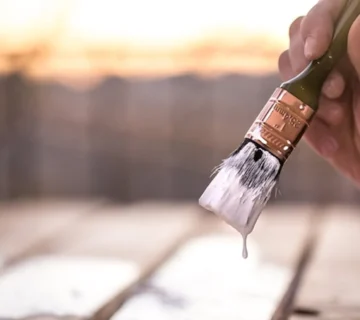
Hand-painting is the application of cabinet coatings with high-quality brushes and fine foam rollers. Painters work directly on cabinet doors, drawer fronts, frames, and panels.
This method demands patience and strong control of the brush.
Professional painters start with careful surface preparation. They remove grease, sand existing finishes, and apply a bonding primer. Clean preparation ensures the paint grips properly.
Once primed, thin layers of paint are applied by hand, using brushes for details and rollers for flat surfaces.
Each coat dries before the next layer begins. Painters lightly sand between coats to keep the finish smooth.
The process takes time. Yet it produces excellent control over coverage and detail.
In summary, hand-painting best serves kitchens with complex profiles, decorative trim, or deep panel lines.
What Spraying a Kitchen Involves
Spraying uses spray systems powered by air or hydraulics that break up (atomise) paint into a very fine mist. The equipment spreads the paint in tiny droplets evenly over the cabinet surfaces.
Professional sprayers remove cabinet doors and drawers before spraying begins. Workers usually spray these components in a controlled spray area or workshop.
The process begins with strict preparation.
Contractors mask walls, worktops, appliances, and floors with protective sheeting. Any exposed surface must remain sealed, as spray particles can travel easily.
After sanding and priming the cabinets, the sprayer applies thin layers of specialised cabinet lacquer (a hard, protective clear or coloured coating) or paint.
Spray guns apply paint evenly, overlapping each pass to avoid streaks and build a smooth, uniform finish.
The final result often looks extremely smooth. Many people compare the look to a factory-applied cabinet finish.
Finish Quality and Appearance
The most noticeable difference between the two methods appears in the surface texture.
Hand-painting creates a subtle texture. Even skilled painters leave light brush or roller marks under close inspection. High-quality tools reduce this effect, but a faint texture remains.
Some homeowners like this finish. It feels traditional and handcrafted.
Spraying produces a much smoother surface. The atomised paint settles evenly without brush strokes. The coating levels out across the cabinet surface.
This smoothness works well for modern kitchens with flat panels and contemporary designs.
The visual result often resembles brand-new cabinetry rather than repainted woodwork.
Preparation and Work Environment
Both methods require strong preparation, but spraying demands more extensive site protection.
Hand-painting allows painters to work directly in the kitchen. Protective sheets cover floors and nearby surfaces, yet the process stays fairly contained.
Spraying requires comprehensive masking, as even fine mist can reach any exposed kitchen surface.
Professionals often remove doors and spray them off-site to prevent overspray and enable controlled drying.
Preparation, therefore, takes longer for sprayed kitchens. However, the spraying stage itself moves quickly once setup finishes.
Time Required for Each Method
Hand-painting requires steady manual application. Painters apply coats slowly and carefully to avoid drips or uneven coverage.
Each layer needs drying time before sanding and re-coating. The full process can take several days.
Spraying speeds up the coating stage. A sprayer covers large surfaces within minutes.
Setup, masking, and equipment preparation add time, but curing often occurs in controlled environments.
The timelines for both methods are often similar, though the work stages differ.
Durability and Performance
Durability depends largely on surface preparation and coating quality, not only on the application method.
Hand-painted kitchens often use strong acrylic or hybrid cabinet paints designed to resist moisture and grease.
kitchen spraying Richmond frequently use industrial lacquer systems or specialist cabinet coatings. These finishes cure into hard surfaces that resist scratches and wear.
With proper preparation, both finishes provide long-lasting protection against daily use.
However, sprayed lacquer finishes often yield a slightly harder, more uniform coating.
Cost Differences Between Hand-Painting and Spraying
Price varies based on kitchen size, cabinet condition, and paint systems.
Hand-painting involves less equipment, reducing setup needs and possibly lowering labour costs.
Spraying’s specialised equipment and preparation raise overall costs.
Sprayed kitchens, therefore, often cost more than hand-painted ones.
Many homeowners accept the additional expense to achieve the smooth factory-style finish.
Choosing the Right Method for Your Kitchen
The best method depends on cabinet style and the desired finish.
Hand-painting suits traditional kitchens, detailed cabinetry, and heritage properties. The slight texture complements classic interiors and decorative mouldings.
Spraying suits modern kitchens, flat cabinet doors, and sleek interior designs. The smooth coating creates a refined, contemporary look.
Both methods deliver strong results when professionals properly handle preparation, priming, and coating.
The real difference lies in finish style, equipment requirements, and project cost. Each method transforms tired cabinets into a refreshed kitchen centrepiece.