Can You Paint Over Damp Render or Brickwork?
Short answer: no, not if you want the job to last. Painting over a damp wall is one of those shortcuts that feels like progress at the time and turns into a proper mess six months later.
Render and brick aren’t sealed surfaces. They move moisture in and out constantly. Trap that moisture under a layer of paint, and it has to go somewhere. Usually, that somewhere is straight back out through the paint film you just applied.
What Damp Actually Does to a Painted Wall
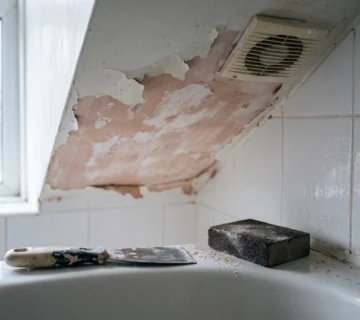
Give it a few weeks, and you’ll start noticing small bubbles forming across the surface. Leave those alone, and they grow, then split, then peel away in strips. Behind the peeling paint, the render itself often looks soft or crumbly, sometimes stained a darker colour where water has been sitting.
This isn’t paint failing because it was cheap or badly applied. It’s physics. Moisture trapped behind a non-breathable film builds pressure until it forces its way out, taking the paint with it.
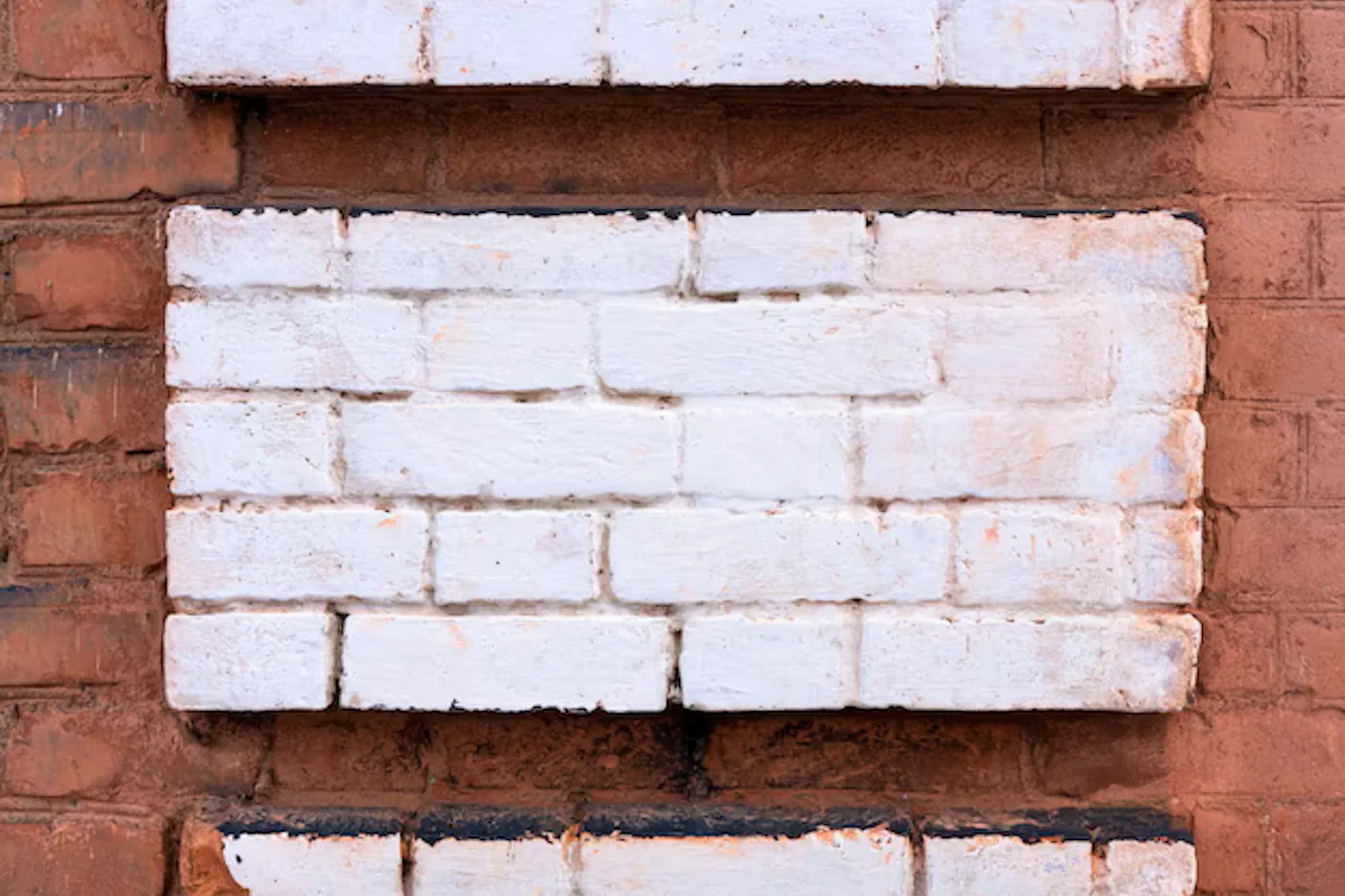
There’s a second, quieter problem too: efflorescence. Those white, chalky patches you sometimes spot on brick or render are mineral salts, carried to the surface as water evaporates. Paint straight over them, and the salts keep coming, cracking and pushing the new paint apart from underneath. It looks like a paint quality issue. It isn’t.
Working Out Whether the Wall Is Actually Dry
A wall can appear bone dry on a warm afternoon and still hold plenty of moisture just beneath the surface. Looks are unreliable here.
A moisture meter solves this in seconds. Test several points on the wall, not one, since damp rarely spreads evenly. Anything reading above roughly 15% suggests the wall isn’t ready. No meter to hand? Most decorators carry one and can check for you before quoting the job, which is worth doing before any paint gets bought.
There’s a rough DIY method too. Tape a small piece of clear plastic sheeting tightly against the wall and check it the next day. Condensation forming underneath means moisture is travelling from inside the wall outward, not simply left over from recent rain.
Finding the Actual Cause Before Touching a Brush
Painting is the last step, not the first. Skip straight to it, and you’re just hiding a problem that’s still very much active.
A few common culprits worth ruling out:
- Rising damp, where the damp proof course has failed, or an older property never had one fitted properly
- Penetrating damp, often from cracked render, gaps in pointing, or gutters overflowing straight down the wall
- Condensation, particularly on shaded or north-facing elevations with poor airflow
- Leaking pipework or damaged flashing feeding water into one specific area
Fix the actual source. A brand-new coat of masonry paint over a broken gutter buys you a few dry-looking months at best.
Getting the Wall Ready Properly
Drying takes time, and there’s no shortcut worth taking. Depending on how deep the moisture has soaked in, this can run from a few weeks to a few months. Warm, settled weather speeds things along nicely, so tackling it during a dry summer spell makes sense wherever possible.
Once dry, strip back anything loose. Blown render, flaking patches, crumbling sections, all of it needs to come off rather than get painted over for the sake of a tidy-looking wall. Cracks should be raked out properly and patched with a render mix that suits the existing surface.
If salt staining showed up earlier, treat it with a proper neutralising wash first. Then apply a stabilising primer for masonry, which locks down dust and loose particles and gives the topcoat something solid to grip onto.
Picking a Paint That Won’t Trap Moisture Again
Once the wall’s genuinely sound, reach for a breathable masonry paint, ideally mineral or silicate-based rather than standard acrylic. These allow any lingering moisture to continue escaping slowly, rather than sealing it in behind a rigid plastic-like film. This matters far more on older solid brick walls than on newer cavity construction, but it’s rarely the wrong call either way.
Standard vinyl masonry paints cost less upfront. On a wall with any damp history, though, they’re simply a bet against a problem you already know exists.
When It’s Worth Bringing in a Specialist
If damp keeps coming back after treatment, or you genuinely can’t tell whether you’re dealing with rising damp, a leak, or condensation, get someone in who deals with this daily. Guessing wrong here costs considerably more than a proper assessment upfront.
A decorator who checks the cause first and paints second is the difference between a wall that stays sound for a decade and one that’s peeling again by next winter.