Can You Spray Paint Ceilings?
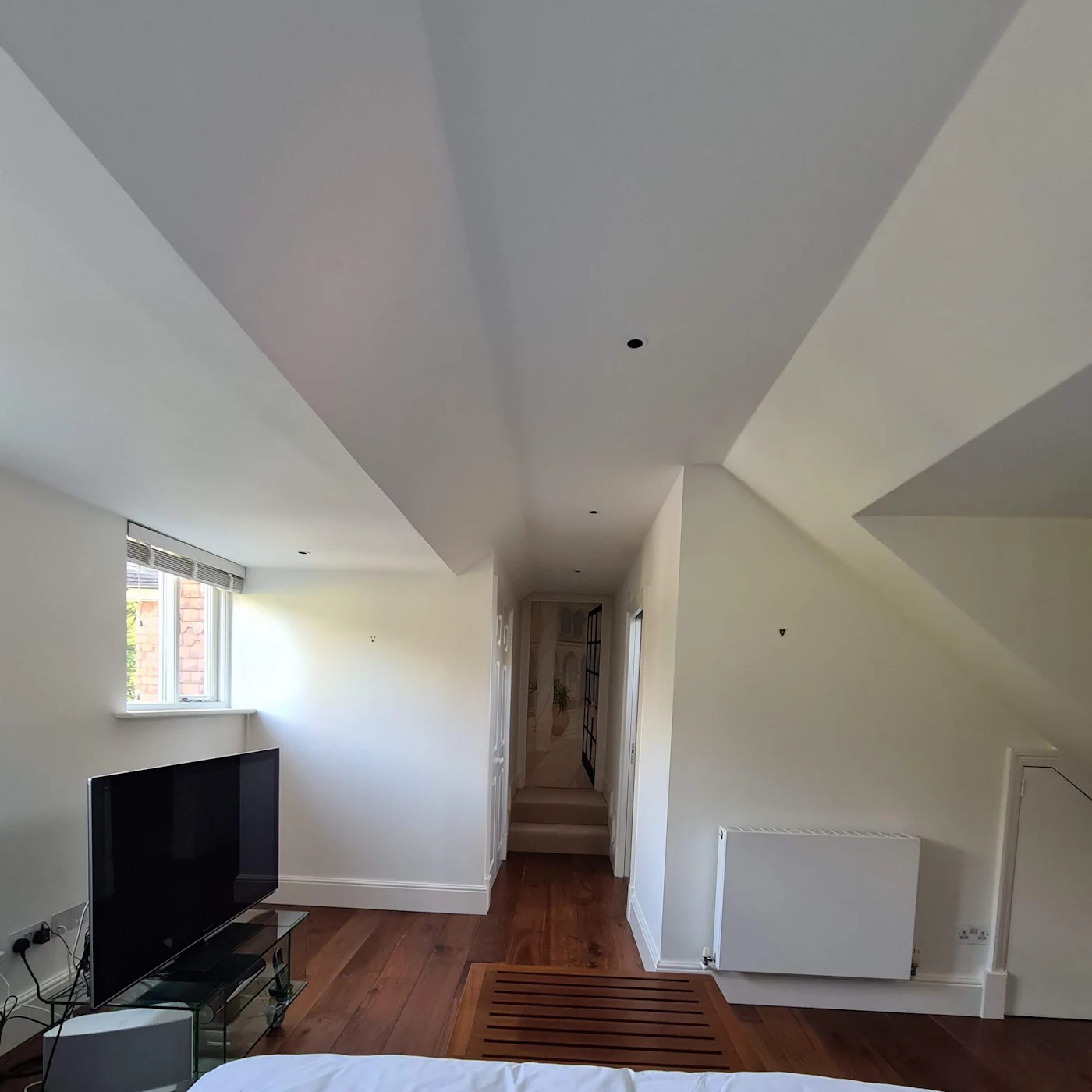
Spray painting ceilings is possible but requires careful preparation and the correct technique. It offers a faster, more even finish than rollers or brushes, especially on textured or uneven surfaces. However, spraying ceilings indoors comes with challenges that need managing to avoid mess and achieve a professional result.
Advantages of Spray Painting Ceilings
Spray paint delivers a smooth, uniform coat without brush marks or roller texture. It is useful on ceilings with popcorn texture, stucco, or uneven plaster. Sprayers reach into crevices and rough areas.
It also saves time. Covering a large ceiling with a roller takes effort and multiple coats. Spray painting applies thin, even layers quickly, reducing drying time and labour.
Essential Preparation Steps
Proper preparation is crucial. Ceilings tend to collect dust, cobwebs, and stains. Clean thoroughly using a vacuum with a brush attachment or a damp cloth to remove debris.
Cover everything beneath. Use plastic sheeting or drop cloths to protect floors, walls, furniture, and fixtures from overspray. Mask edges with painter’s tape for sharp lines.
Ensure the room is well-ventilated. Open windows and doors to prevent fumes from building up. Use fans to maintain airflow, but avoid direct blasts on wet paint, which can cause uneven drying.
Choosing the Right Paint and Equipment
Select a spray paint suitable for ceilings—usually an acrylic or latex-based paint with a flat or matt finish to reduce glare.
Use an HVLP (high volume, low pressure) spray gun for indoors. It produces less overspray and offers greater control than traditional sprayers. Handheld aerosol cans work for small repairs or feature areas but aren’t ideal for full ceilings.
Always test spray on a piece of cardboard or a hidden area to adjust pressure and nozzle settings for an even coat.
Technique for Spraying Ceilings
Start spraying from one corner, moving steadily across the ceiling in overlapping horizontal passes. Keep the spray gun about 25-30 cm away from the surface to avoid drips and heavy buildup.
Apply multiple thin coats rather than one thick layer. Thin coats dry faster and prevent runs. Wait for each coat to dry before applying the next.
Use a step ladder or scaffold for safety and comfort. Never overreach or spray while awkwardly balanced. Wear protective goggles and a mask to avoid inhaling paint particles.
Common Challenges and Solutions
Overspray is the biggest issue indoors. It can settle on walls, floors, and furniture despite protection. Minimise this by spraying at low pressure and keeping the nozzle close but not too close to the surface.
Ceiling height affects ease of spraying. Very high ceilings may require specialised equipment or professional help.
Some ceilings have existing textures or stains that may require priming before spray painting. Use a stain-blocking primer to prevent discolouration or bleed-through.
Cleanup and Aftercare
Clean the spray equipment immediately after use to prevent clogging. Remove masking tape before the paint fully dries to avoid peeling.
After painting, keep the room ventilated until the paint fully cures. This reduces fumes and helps the finish harden properly.
Final Thought
You can spray paint ceilings successfully with the right tools, preparation, and technique. It offers a faster, more even finish than traditional methods, especially on textured surfaces. Take care to protect your space and work safely. The result will be a smooth, professional ceiling that transforms any room.