What Is Dustless Sanding and Is It Worth the Extra Cost?
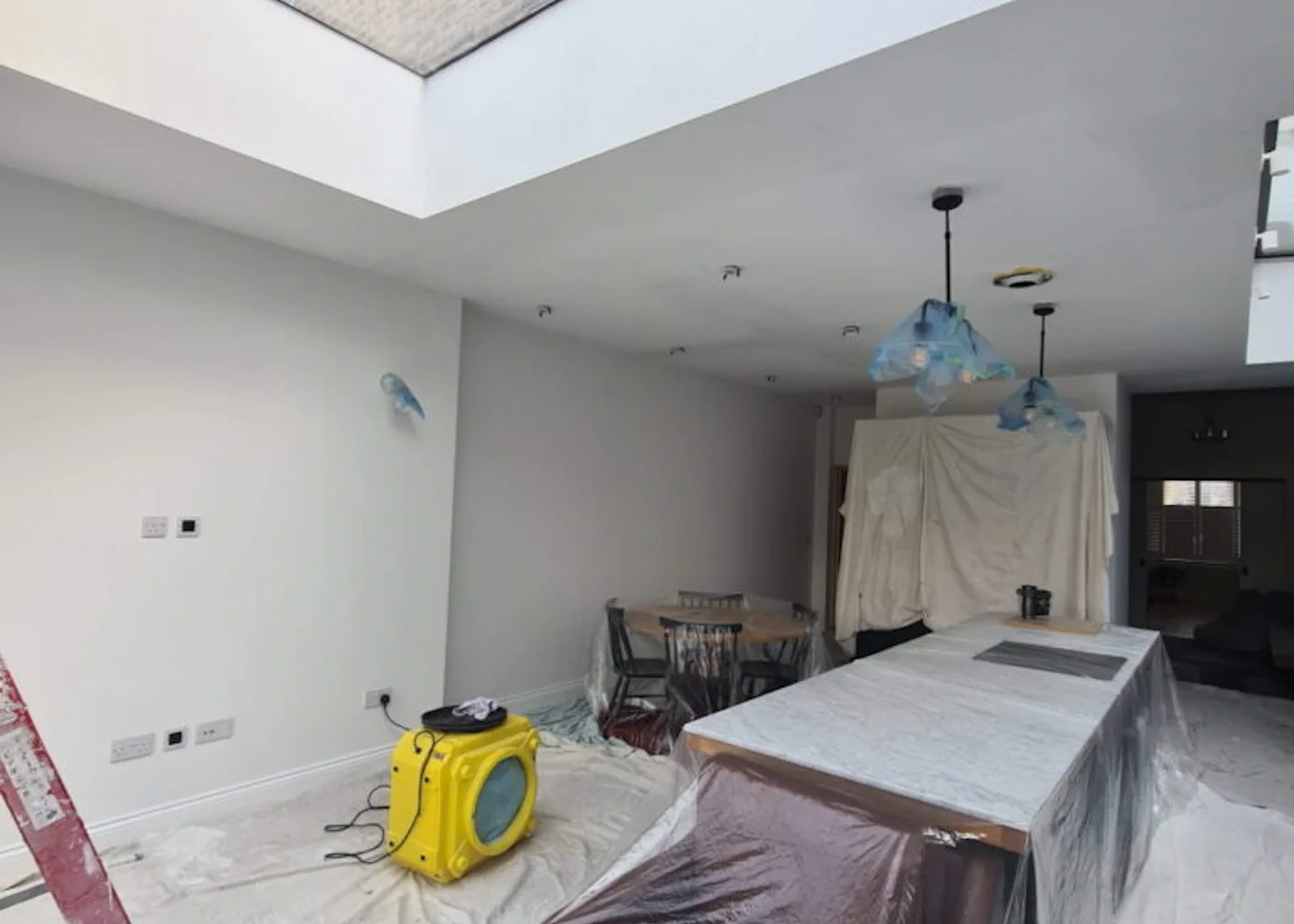
Renovation projects often create a serious problem: fine airborne dust. Traditional sanding spreads microscopic particles through every room. The dust settles on furniture, electronics, carpets, and air vents. Cleaning can take longer than the renovation itself.
Many contractors now offer dustless sanding as a premium service. The method promises cleaner workspaces, safer air, and faster clean-up. Homeowners often wonder whether the added price makes sense.
Understanding how the system works and what results it produces makes the decision easier.
What Dustless Sanding Actually Means
Dustless sanding refers to a controlled sanding process that captures dust at the source. Instead of allowing particles to spread through the air, the sanding equipment connects to a high-powered vacuum system.
The moment the abrasive pad grinds the surface, the vacuum pulls the dust away.
A typical system includes:
- A specialised sanding tool with a sealed shroud
- Industrial vacuum extraction equipment
- HEPA filtration that traps microscopic particles
- Long hoses connecting the sander to the vacuum unit
This design captures up to 90–99 per cent of dust before it escapes into the room.
Contractors commonly use this method when sanding wood floors, drywall compound, plaster walls, painted surfaces, and cabinetry.
The result is a sanding process that produces far less airborne debris.
How Traditional Sanding Creates Problems
Standard sanding tools throw dust in every direction. Fine particles stay suspended in the air for hours. Even careful plastic sheeting cannot stop everything.
Several problems appear quickly.
First, dust spreads throughout the property. Air circulation carries particles through doorways and ventilation systems. Rooms far from the work zone still end up coated in powder.
Second, dust affects indoor air quality. Drywall and wood dust irritate lungs and eyes. Old paint may contain hazardous materials. Breathing these particles can cause discomfort and pose health risks.
Third, clean-up becomes a major task. Dust settles into fabrics, carpets, and cracks. Homeowners spend days wiping surfaces and vacuuming.
Traditional sanding finishes the job. The mess remains.
How Dustless Sanding Equipment Works
Dustless sanding equipment relies on constant suction during sanding. The vacuum unit operates while the sanding tool runs.
As the abrasive disc removes material from the surface, dust is drawn into the sealed shroud around the tool. The vacuum immediately pulls the debris through a hose into a sealed container.
Inside the vacuum system, multi-stage filtration traps fine particles. Many units include HEPA filters that capture particles as small as 0.3 microns.
Because suction begins the instant sanding starts, dust never gets the chance to spread across the room.
This system works especially well for floor refinishing and drywall finishing, where sanding normally produces heavy dust clouds.
Key Benefits of Dustless Sanding
Homeowners notice several clear advantages.
Cleaner Work Areas
Dustless sanding keeps the area much cleaner than standard methods. Less debris escapes into nearby spaces.
After the sanding finishes, workers spend less time cleaning.
Improved Air Quality
Airborne particles decline sharply. This helps those with allergies or asthma and makes the space more comfortable.
Better Surface Visibility
Minimal dust allows contractors to see surfaces clearly, resulting in more precise, smoother finishes.
Traditional sanding often hides flaws until the dust settles.
Faster Project Completion
Controlling dust reduces clean-up time, accelerating the job.
This can shorten the overall project schedule.
Situations Where Dustless Sanding Makes the Most Sense
The added cost is easier to understand when the unique benefits apply directly to your project needs.
Dustless sanding works especially well in:
- Occupied homes during renovation
- Large floor refinishing projects
- Interior repainting after drywall repair
- Homes with sensitive air quality needs
- Spaces with expensive furniture or electronics
In these cases, avoiding widespread dust saves time, protects belongings, and reduces stress.
For small jobs in empty properties, the benefits may matter less.
Why Dustless Sanding Costs More
The higher price is due to equipment investment and operational costs.
Professional dustless sanding systems cost thousands of dollars. Contractors must maintain the equipment, replace filters, and transport large vacuum units to each job site.
The setup also takes more time. Workers connect hoses, properly seal surfaces, and test suction before beginning.
These factors increase labour and equipment costs. The service, therefore, carries a premium price compared with basic sanding.
Is Dustless Sanding Worth the Extra Cost?
For many homeowners, the specific benefits—less mess, better air, and faster clean-up—often justify paying extra for dustless sanding, especially in occupied homes or projects with health and cleanliness concerns.
Dust spreads quickly. It travels into vents, electronics, and fabrics. Removing it often requires professional cleaning.
Dustless sanding prevents most of that problem from the start.
For floor refinishing, drywall sanding, and major interior work, the cleaner process often saves time, reduces disruption, and protects the home environment.
The renovation finishes with smooth surfaces instead of layers of dust throughout the house.
When comfort, cleanliness, or air quality are priorities, the additional cost of dustless sanding is often justified by the significant value it delivers, including peace of mind and reduced hassle.